

Ah, love. We do the craziest things for love, we fantasize about being in love, and we secretly have feelings for that special someone. We jump at the chance to profess our love, we climb the highest mountain, swim the widest ocean, and we crave to be loved back.
Doesn’t sound too familiar anymore? I didn’t think so either.
Our society is more commercialized when it comes to love. We say we love someone with flowers and candy in February. We propose marriage with an engagement ring, and we dine out for an expensive meal on Valentine’s Day. Or maybe a nice romantic dinner at home is the ticket. Everything is so accessible that love tends to become washed out, and we do things for our significant other out of obligation instead of those whimsical heart strings.
But love really is a powerful conduit to our emotions. When times weren’t so accessible, men would go off to battle and fight in wars not knowing if they would ever see their fair maidens again. Absence made the heart grow fonder, and some of the most beautiful love letters ever written were conceived out of those tense emotions.
Even when it comes to art, we often think of the Mona Lisa painting as a symbol of love. While it is emotional, the Mona Lisa painting came through the Renaissance period. We are going to shift gears to the Romanticism period. The period of emotional expression.
The Romanticism period was birthed out of the 18th century, and not only featured emotional works of art but literature as well. From a blank canvas, artists painted tumultuous scenes of a viscosity of deep-seated emotions pertaining to war, nature, and mystery.
Take for instance, the oil painting entitled Lady Lilith by Dante Gabriel Rossetti.
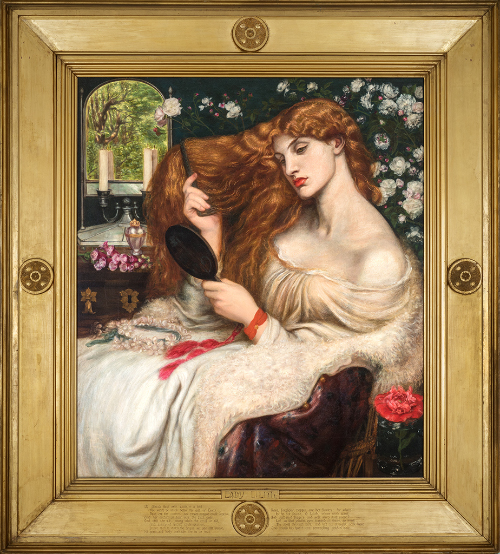
Figure 1 – Lady Lilith (1866-1868; altered 1872-1873) (Dante Gabriel Rossetti; Henry Treffry Dunn)
Lady Lilith – Works – Dante Gabriel Rossetti – Artists – Delaware Art Museum (delart.org)
In this painting, the emotions of the artist pull you in through the soft brushstrokes used. During the romanticism period, artists used soft and delicate brushstrokes to express their deepest emotions. This painting shows a stark contrast between her fair milky complexion, and the intense dark green wall. This purpose by design shows so much intensity amongst the contrasts. The shadows underneath her eyes express a remorseful moment of doubt and sadness.
It’s romantic to see art come alive like this along with so many other portraits in the romanticism period. Such a moody period where art takes a dramatic form. Romantic relationships are similar. Full of ebbs and tides, and intense moments of happiness and sadness.
As you celebrate with your significant other this month, notice how they look during that monumental marriage proposal. Or how they connect to you, eye to eye at dinner with a soft glow on their face. Let your heart strings say out loud, “ah, isn’t it romantic?”

 PixsMe
Leave a comment